
One of Goldratt’s Rules of Flow, is very pertinent:
“If you don’t want to get stuck, verify full-kit before you get going.”
In simple terms, the idea is that before starting a task or project, you should first check that everything needed to complete it is available. Not just some of it. Not most of it. The full kit.
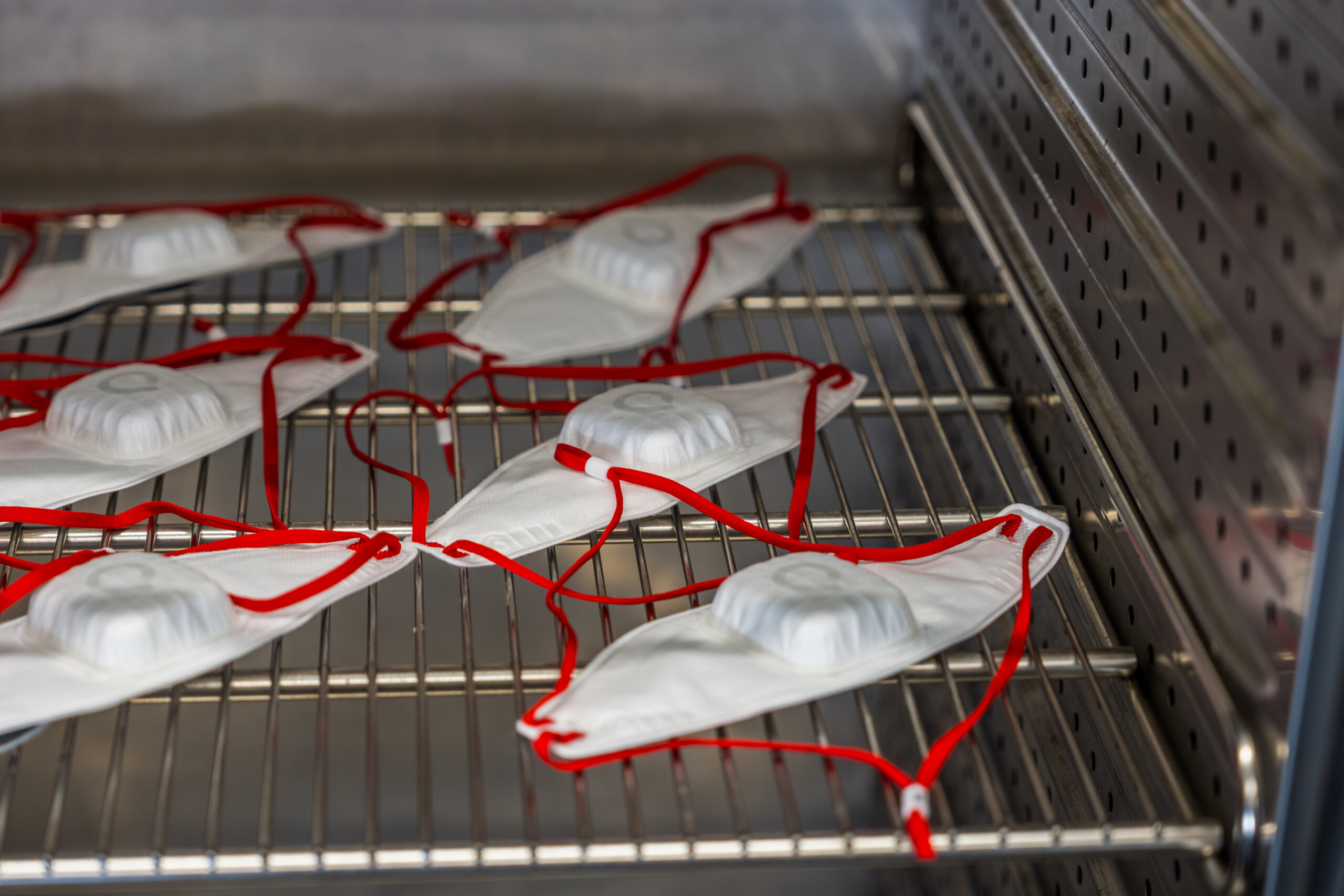
That principle applies perfectly to RPE testing.
One of the most common causes of delay at the beginning of a testing project is not the testing itself. It is discovering that something essential is missing once the samples arrive. This might be missing test samples, incomplete user instructions, absent adapters, unclear model information, or uncertainty around the target classification.
When that happens, the project can stall before it has properly started.
A “test-ready” RPE submission is one where the laboratory has everything it needs to move efficiently from receipt, through booking in, inspection, preparation and testing. It means the submission is complete, clearly documented and aligned with the agreed scope of work.
So, what does a full kit usually include?
First, the full number of requested test samples should be supplied. RPE testing often requires multiple samples for different parts of the assessment, and missing samples can prevent work from starting or progressing as planned.
Second, finalised user instructions should be provided. These should include the mandatory information required by the relevant European standards. Instructions for Use are not just supporting documents; they are often a key part of understanding the product, its intended use, its limitations and the claims being made.
Third, any requested adapters or supporting parts should be included. If the test setup depends on an adapter, connector or accessory, it needs to be available when the samples arrive.
Fourth, where adapted test samples have been requested, these should be supplied as agreed. For example, if powered respirator units need to be adjusted so they can be operated at MMDF, those adapted samples need to be present and clearly identified.
Fifth, the submission should include any additional product information that may be relevant. This could include a full product description, model numbers, batch numbers, variants, component details or any other information that helps the laboratory understand exactly what has been supplied.
Finally, the target classification should be clearly documented. This helps ensure that everyone is aligned on what the product is being tested against and what outcome the customer is seeking.
None of this is about making the submission process more difficult. It is about avoiding avoidable delays.