
In RPE testing, a failed result is not treated as just a number on a report. It is treated as something that needs to be understood.
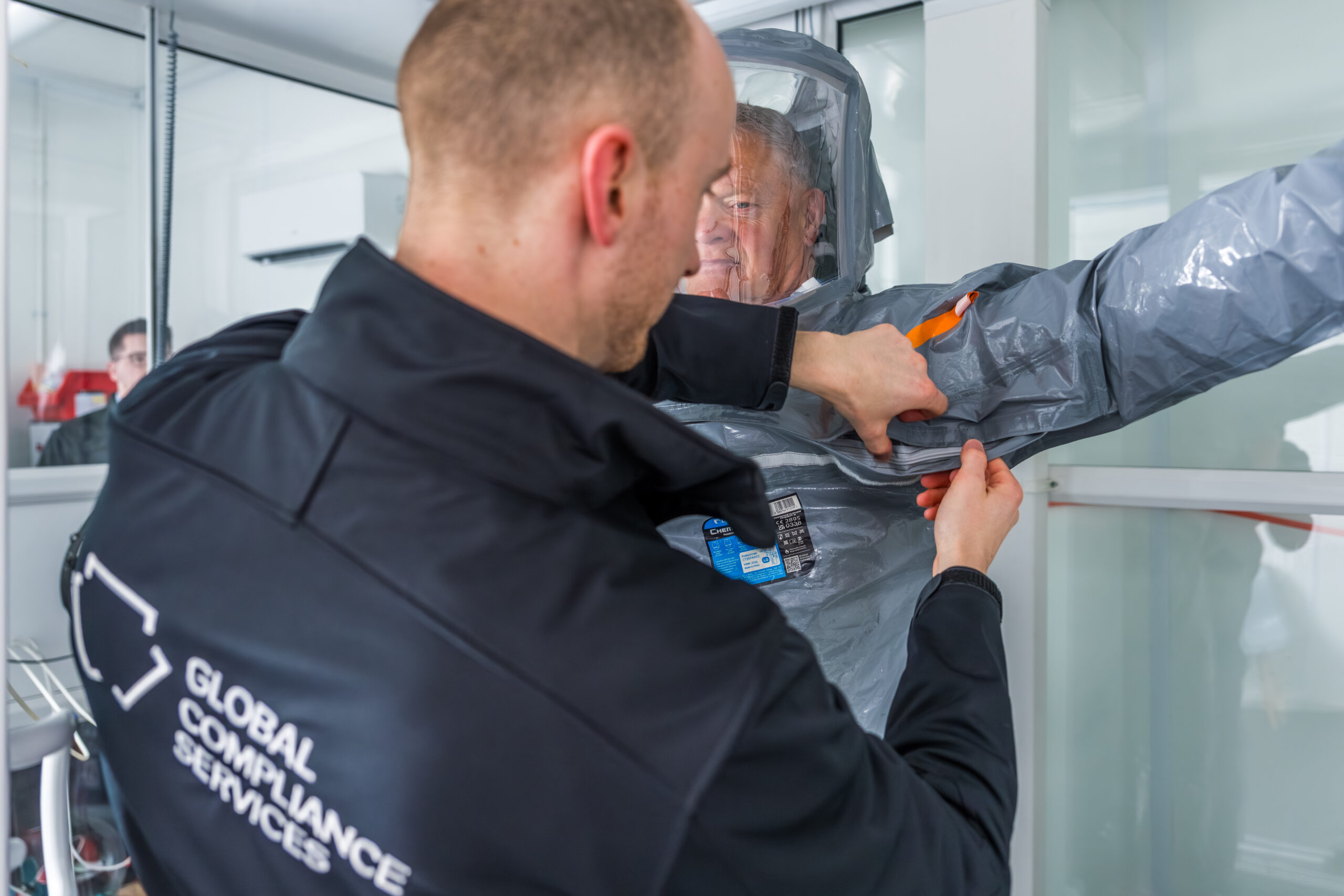
As an ISO 17025 accredited testing laboratory, our role is to produce results that are technically sound, impartial and reliable. When we observe a failure, we take the time to investigate carefully so that any information we provide back to the manufacturer is useful, clear and supported by evidence.
The first step is to review what has been observed. This may involve checking the result with another test engineer, repeating relevant checks, using another suitable piece of measurement equipment, or testing another sample from the same submission where appropriate.
The purpose of this investigation is not to change the outcome. It is to make sure the outcome is fully understood.
By looking deeper into the issue, we can help identify whether the failure appears to relate to the product design, a component, the fit or seal, the instructions for use, the test setup, or another factor. This allows the manufacturer to focus their own investigation more effectively and take informed action.
Communication is also a key part of our approach. If we observe a failure, we are committed to communicating quickly and openly with the customer so they understand what has happened, what we are checking, and what the next steps are.
Where helpful, we will often arrange a video call to demonstrate the issue in real time. This gives the customer the opportunity to see what we are seeing, ask questions, and better understand the nature of the problem.
A failure is never something we treat lightly. It can be frustrating, especially when a product is close to launch or forms part of an important compliance project. But handled properly, it can also provide valuable insight.
At our lab, our aim is not only to identify when something has failed. It is to provide clear, practical and technically reliable feedback that helps manufacturers understand why.